 Shining Star
Robotics Classes for Kids in Abu Dhabi: A Parent's Guide to LEGO Robotics and FLL
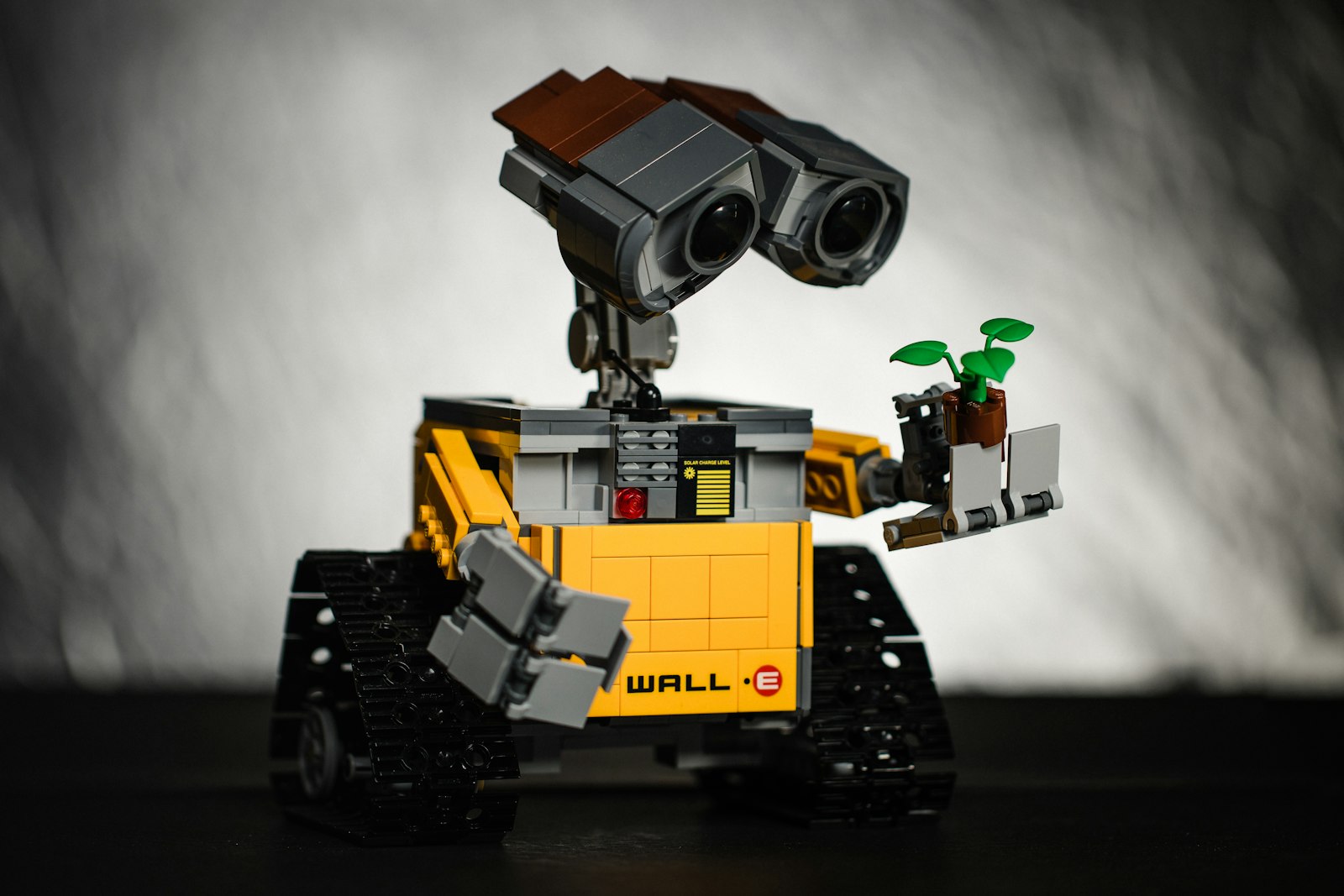
Every week, parents in Abu Dhabi ask us the same question: “My child loves LEGO and gadgets. Should I put them in a robotics class, and what will they actually learn?” Here is the honest guide we wish more parents read before enrolling.
What do children actually learn in a robotics class?
Children learn to build a real machine and make it obey their instructions. In a well-run class, your child constructs a LEGO robot, connects motors and sensors, then writes a simple program so the robot moves, detects obstacles or follows a line. Along the way they absorb engineering thinking: test, fail, adjust, retry.
The hidden curriculum matters just as much. Robotics teaches patience, logical sequencing and the confidence to break a big problem into small steps. These are the same skills behind strong maths and science marks, which is why so many parents see school benefits they never expected.
What is the right age to start robotics?
Age 6 is the sweet spot to begin. Between 6 and 8, children work with simple motorised builds and learn that a motor, a gear and a battery can be arranged to do a job. From around 8 or 9, they move to programmable platforms such as LEGO Spike Prime, where drag-and-drop coding controls sensors and movement. By 10 to 12, committed students are building competition-grade robots and writing genuinely clever programs.
Starting earlier than 6 rarely helps; the fine motor skills and attention span are not quite there. Starting later is completely fine too, motivated 11 or 12 year olds often catch up within a term because the logic clicks faster.
Robotics vs coding classes: which should my child do?
Choose robotics if your child learns with their hands; choose coding if they love screens and puzzles. Robotics is coding you can touch: the program has a physical result you can watch, chase and laugh at. It holds the attention of restless, kinesthetic learners beautifully. Coding classes go deeper into pure software: Python, apps and games.
The two pair well. Many of our students do robotics first and add Python coding once the logic feels natural, usually around age 9 or 10.
What is FIRST LEGO League, and should my child compete?
FIRST LEGO League (FLL) is the world’s largest robotics competition for children, with events across the UAE every season. Teams of children design, build and program an autonomous LEGO robot to complete missions on a themed mat, and separately research and present an innovation project to judges.
Should your child compete? If they enjoy the classes, absolutely yes. Competition season is where skills crystallise: deadlines become real, teamwork becomes necessary, and presenting to judges builds a kind of quiet confidence that classrooms rarely teach. It also reads exceptionally well on school and university applications.
This is one area where we let our record speak: Shining Star teams have won FLL awards in Abu Dhabi four consecutive years, across categories, including the 2023 overall championship won by our own CoderMinds and BEES teams.
How do I choose a good robotics class in Abu Dhabi?
Four checks separate a real program from expensive playtime:
- Small batches. Robotics needs one-to-one moments. Ask the maximum batch size.
- A level system. Your child should always know what they have mastered and what unlocks next.
- Competition results. Ask for the centre’s FLL or contest record. Results are hard to fake.
- Child-led building. Watch a class. If teachers keep grabbing the screwdriver, walk away.
Do we need to buy a LEGO robotics kit for home?
No. All kits, tablets and laptops are provided in our classes, so there is nothing to buy before the first session. A home kit becomes worthwhile only when your child has settled into a level and starts asking to tinker between classes, which usually happens a few months in.
How do we start?
Start with one class, not a full course. Book a free demo robotics class at our Hamdan Street centre in Abu Dhabi: your child builds and drives a real robot in the first hour, and you watch whether their eyes light up. Not sure if robotics, coding or something else fits your child best? Our free 60-second Aspire360 assessment points you to the right starting point.
Frequently asked questions
From age 6. At that age children build simple motorised LEGO models and learn cause and effect. Structured programming with platforms like LEGO Spike Prime usually starts around age 8 to 9.
Robotics is coding made physical: children write programs that make a real robot move, sense and react. Coding classes focus on software only. Robotics suits hands-on learners; pure coding suits children who love screens and logic puzzles. Many children do both.
FIRST LEGO League (FLL) is the world's leading robotics competition for children, run in over 100 countries including the UAE. Teams build and program a LEGO robot and present an innovation project. It teaches teamwork, presentation and engineering thinking, and it stands out on school and university applications.
No. A good centre provides all kits, tablets and laptops in class. Home kits are optional and only worth buying once your child has settled into a level and asks for one.
Look for small batch sizes, a structured level system, real competition results and teachers who let children build and fail rather than doing it for them. Ask to see the centre's competition record; results are hard to fake.
See it for yourself - the first class is free.
Book a free demo class at our Hamdan Street centre in Abu Dhabi and watch your child learn something real in the very first hour. No obligation, no hard sell.